5 Things That Define a Gunna Type Beat and How Professional Nails Them
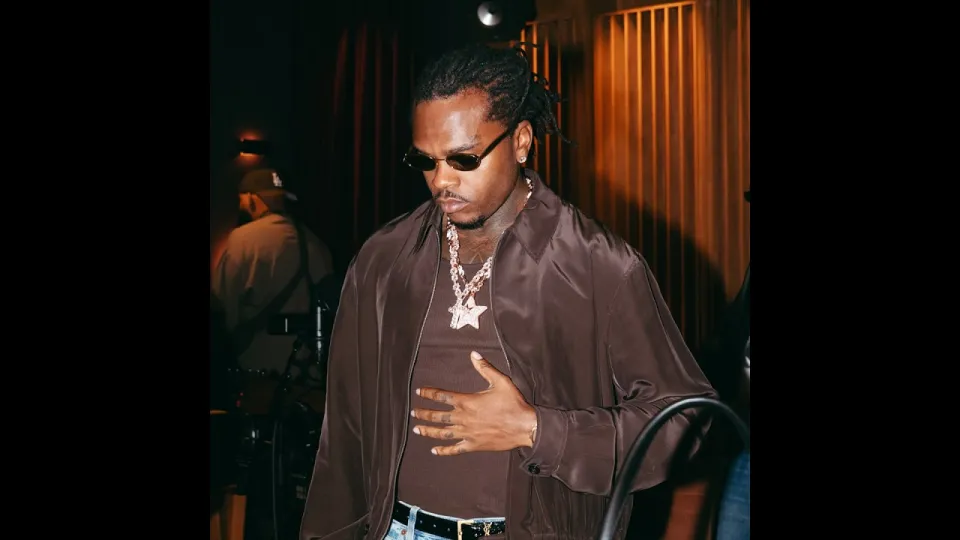
Video: [FREE] Gunna Type Beat - "Professional"
Want articles like this for your own video to promote it on YouTube and Google? Order them through the Telegram bot @sat_sit_bot. It writes articles around your video, embeds the video and publishes them on popular niche websites (no ads). Try it free: 50 articles on us.
· based on the channel MIG
Key takeaways
- "Professional" by MIG runs at 122 BPM in F# minor — the sweet spot for Gunna-style melodic trap.
- The free download is licensed for non-profit use only and cannot be uploaded to Spotify or Apple Music.
- An untagged license is sold via BeatStars, and adding three beats to the cart unlocks a discount.
- Guitar-driven, orchestral-leaning melodies and dense hi-hat rolls are the signature traits listeners flag.
- The beat sits in the Gunna and Young Thug lane, close to the One of Wun and The Last Wun era.
A Gunna type beat is a melodic trap instrumental built to fit Gunna's relaxed, pocket-driven flow: usually 118–128 BPM, minor key, guitar or string-led melody, sliding 808s and busy hi-hat rolls. MIG's "Professional" is a working example at 122 BPM in F# minor, and you can grab the untagged version through the BeatStars purchase link while the free tag version stays limited to non-profit use.
What a Gunna type beat actually is
A Gunna type beat is not a copy of a specific Gunna song; it is an instrumental that reproduces the sonic conditions his flow needs. Gunna raps in short, melodic phrases that leave space between lines, so the beat has to carry the energy without crowding the vocal. In practice that means a clear looped melody on top, a bassline that moves rather than sits, and drums that keep a steady bounce at a moderate tempo.
Producers usually aim between 118 and 128 BPM. Slower than that and the pocket drags; faster and the half-time feel disappears. "Professional" sits at 122 BPM, which is squarely in the middle of that window and matches much of Gunna's recent catalog. The key, F# minor, is a common choice for this sound because it gives dark, slightly wistful melodies that sit well under auto-tuned vocals.
The five elements that make the style work
These are the components listeners and producers consistently point to when they judge whether a beat fits the lane.
- Tempo and pocket. 118–128 BPM with a half-time snare so the track feels slow while the hi-hats stay fast. At 122 BPM the beat leaves room for double-time vocal runs without forcing them.
- Melody source. Nylon or clean electric guitar loops are the most common choice, often layered with strings, bells or a soft choir pad. The result is what many listeners describe as an orchestral trap texture — melodic enough to be hummed, dark enough to stay street.
- Bass movement. 808s that slide between notes instead of holding one root. The glide is what makes the low end feel alive under a sparse vocal.
- Hi-hat programming. Rolls, triplets and short gaps. Busy hats give the rapper rhythmic reference points, which is why hat patterns get the most attention in the comments under beats like this one.
- Mix clarity. Crisp, uncluttered drums and a melody that sits behind the vocal space. A muddy midrange kills the pocket faster than a weak melody does.
How "Professional" applies the formula
"Professional" is a guitar-forward trap beat that leans darker than the average melodic loop. The melody carries a minor, almost tense quality, and the drum programming keeps the hats moving while the 808 slides underneath. Listeners reacting to the upload singled out the hat rolls, the drum crispness and the bass slides as the strongest parts — the three technical areas where this style is usually won or lost.
The structure is built for songwriting rather than for a beat showcase: the loop stays consistent so a rapper can find a flow and stay in it. That is also why the comments focused on how a verse would sit on top rather than on the beat alone. If you want to test that yourself, the untagged file is available at https://bsta.rs/lKzH8q.
Licensing, price and what the free download allows
The free version of this beat is licensed for non-profit purposes only. That means you can write to it, record demos, post non-monetized content and practice, but you cannot distribute it commercially or upload it to streaming services such as Spotify or Apple Music. The free file also carries a producer tag.
For anything released commercially, an untagged license is sold through BeatStars at https://bsta.rs/lKzH8q. The listing notes that adding three beats to the cart activates a discount, so the practical route for an EP is to pick several instrumentals at once rather than buying one at a time. Always confirm the license tier you need — streaming, monetized video and distribution rights are usually priced separately.
Choosing a Gunna type beat for your next track
Start with the tempo, then the melody, then the mix. A beat at 120–124 BPM in a minor key will almost always accept a Gunna-style flow; the harder question is whether the melody leaves enough space. If the loop is dense and constant, write shorter phrases. If the loop has gaps, you can stretch lines across them.
Match the mood to the record you are making. Darker, guitar-driven beats like "Professional" suit street-oriented writing, while brighter, bell-heavy loops push toward a smoother, more radio-facing sound. Producers in this lane also blend Gunna with Young Thug, so check whether the beat can hold a more eccentric, off-grid delivery as well as a laid-back one.
Finally, test the beat against your own voice before you commit. Record eight bars, listen back, and check whether the hats and 808 are giving you a rhythm to ride or fighting your phrasing.
Common questions producers and artists ask
Is a type beat legal to release? Yes, if you hold the right license. The free tag version of "Professional" is non-profit only; commercial release and streaming require the paid untagged license.
Why do so many of these beats use guitar? Guitar loops give a clean, recognizable melody that cuts through a sparse mix and leaves vocal space, which suits melodic trap delivery better than dense synth stacks.
Does the BPM have to match Gunna's records exactly? No. Staying within roughly 118–128 BPM is enough; the feel comes from the half-time drums and the space in the arrangement, not from an exact number.
Can I get a discount? The BeatStars listing states that adding three beats to the cart activates a discount, which is the cheapest way to license a small batch.
Final thoughts
A Gunna type beat lives or dies on three things: a tempo that lets the flow breathe, a melody dark enough to carry the mood, and drums crisp enough to keep the pocket. "Professional" hits 122 BPM in F# minor with guitar-led, orchestral-leaning textures and active hi-hats, which is exactly the combination that makes this lane work. The free version is a non-profit tool for writing and demos; the untagged license at the BeatStars page is the route for anything you plan to release. This breakdown was put together by the MIG channel, which produced the beat and publishes the licensing terms. If you are building a project, add three beats to the cart to trigger the discount and test each one against your own vocal before you buy.
Questions & answers
Can I put a free Gunna type beat on Spotify?
No. The free version of "Professional" is licensed for non-profit purposes only and is explicitly not cleared for streaming services such as Spotify or Apple Music. You need the paid untagged license before distributing a song built on it.
What BPM and key should a Gunna type beat be in?
Most sit between 118 and 128 BPM in a minor key; "Professional" uses 122 BPM in F# minor. The exact numbers matter less than the half-time drum feel and the space left for a melodic vocal.
What makes the hi-hats sound so busy on these beats?
Rolls, triplets and short gaps between hits. Fast hat patterns give the rapper rhythmic reference points and create the sense of motion that carries a sparse, melodic delivery.
Is it cheaper to buy several beats at once?
The BeatStars listing for this beat says that adding three beats to the cart activates a discount, so licensing a small batch in one order usually costs less than buying instrumentals one by one.
Source: [FREE] Gunna Type Beat - "Professional" · Markdown version